I’ve spent years side-eyeing ADHD sleep products, because most “10 gadgets to fix your sleep!” lists exist to sell you things — and I’m a nurse, so I ask rude questions like where’s the study?
Last month I wrote about ADHD bedtime procrastination — the why of staying up until 2 a.m. Writing it didn’t stop me from doing it — so this is an equipment check, not a victory lap.
The twist: my problem is falling asleep, not waking up. So the working kit is cheap: warm lighting on a timer, a night-shift-era sleep mask and blackout curtains, a white noise machine — plus the newest arrival (a weighted blanket), one I skip (a sunrise alarm), and no melatonin, for reasons below. No affiliate links, nobody paid me: just honest evidence grades.
Which ADHD sleep products actually have evidence behind them?
Straight answer: light and darkness have the strongest science; weighted blankets are promising but mixed; white noise is a coin flip. No product treats ADHD sleep — these are signals your sleep physiology measurably responds to.
The ADHD clock runs late. A delayed sleep phase — a body clock drifting hours past the world’s schedule — is one of the most consistent findings in ADHD sleep research, in children and adults alike. The same wiring behind my time blindness keeps terrible time at night too — not laziness, a clock that needs louder cues.
| Product | Job | Evidence grade | In my kit? |
|---|---|---|---|
| Dim warm lighting | Protecting melatonin | Strong physiology | Yes — the workhorse |
| Sleep mask / blackout | Darkness on demand | Shift-work standard | Yes, since night shift |
| White noise machine | Covering thought-noise | Mixed | Yes |
| Weighted blanket | Settling into sleep | Mixed | Yes (new arrival) |
| Sunrise alarm clock | Gentler waking | Good, but no ADHD RCT | Skipped |
Does dimming the lights actually matter?
Straight answer: yes — the strongest science here, and it’s free. That an evening under ordinary room light delays melatonin onset and shrinks the body’s nightly melatonin window is about as well established as sleep physiology gets. For a brain already running late, evening ceiling lights pour delay on top of delay.
Every ward I’ve worked on — five years in Australia, eight in Korea — dims the lights at night; then we nurses go home and blast our own retinas until midnight. My fix: warm smart bulbs on a schedule — at 9:30 p.m. the living room drops to dim amber by itself. It doesn’t always get me to bed — but 11 p.m. finally feels like 11 p.m.
Do weighted blankets help ADHD?
Straight answer: the rare product studied in people with ADHD — and, after a month of deliberating, the newest member of my kit.
In a 2020 randomized trial of 120 adults with insomnia and a co-occurring psychiatric diagnosis — major depression, bipolar disorder, generalized anxiety, or ADHD — nearly 60% of weighted-blanket users saw their insomnia severity score drop by half or more over four weeks, against 5.4% of controls (Ekholm et al., 2020, Journal of Clinical Sleep Medicine). As principal investigator Dr. Mats Adler explained in the American Academy of Sleep Medicine’s announcement of that study, deep pressure stimulation “increases parasympathetic arousal … and at the same time reduces sympathetic arousal.”
“There is evidence suggesting that deep pressure stimulation increases parasympathetic arousal of the autonomic nervous system and at the same time reduces sympathetic arousal, which is considered to be the cause of the calming effect.” — Dr. Mats Adler, Karolinska Institutet (2020)
That said, the wider evidence is mixed: trials in children found a little more total sleep but no faster sleep onset, and analyses pooling the randomized trials land just short of statistical significance on insomnia — promising, not proven, with no serious adverse events reported. So for a month the verdict stalled at maybe worth trying, not take my money.
Maybe won. The evidence and my budget finally stopped arguing, and I ordered one. The rule of thumb for a full-bed blanket — one that covers all of you — is about 10% of your body weight (Gravity is the classic, Luna the budget pick, Bearaby if you sleep hot). I deliberately went off that chart: a compact travel size, about 60×70 cm, at 3.5 kg, built for a lap and a chest rather than a whole bed, so it could leave the house with me. Portable, it turns out, is a relative term — you feel every one of those 3.5 kilos in your hand… which is exactly the point once it’s on your lap.
Then a delivery mix-up sent it to the wrong house, and my calming blanket spent two days on an unplanned vacation at a neighbor’s — waiting for a calming product is a spectacularly poor way to stay calm. It came home unharmed, thanks to a careful neighbor and a patient driver — quiet kindness, gratefully received. The box that finally reached my doorstep arrived pre-loaded with expectations.
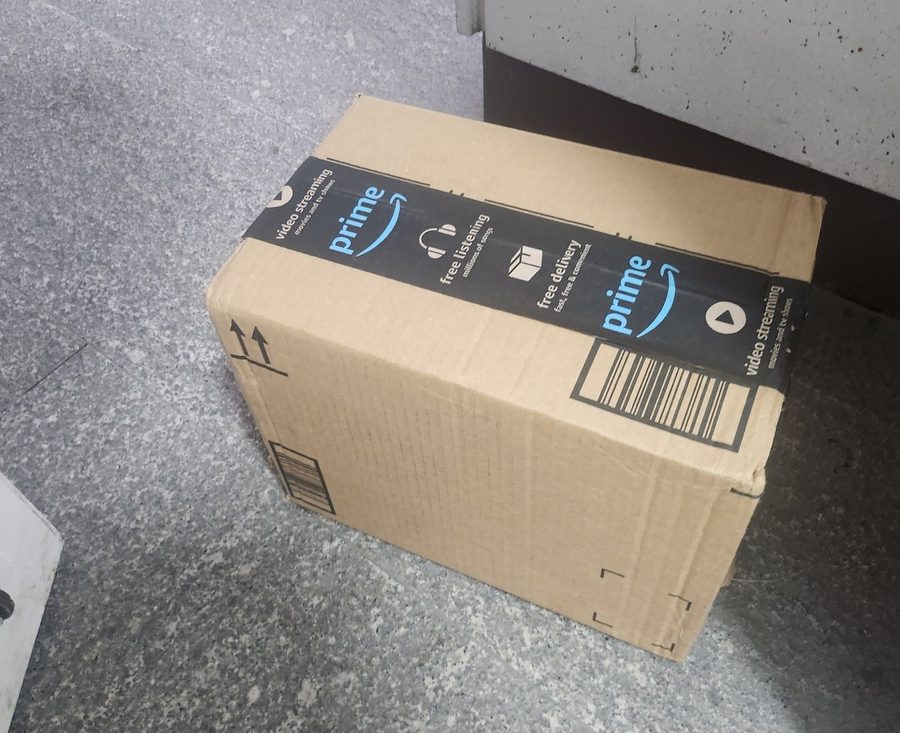
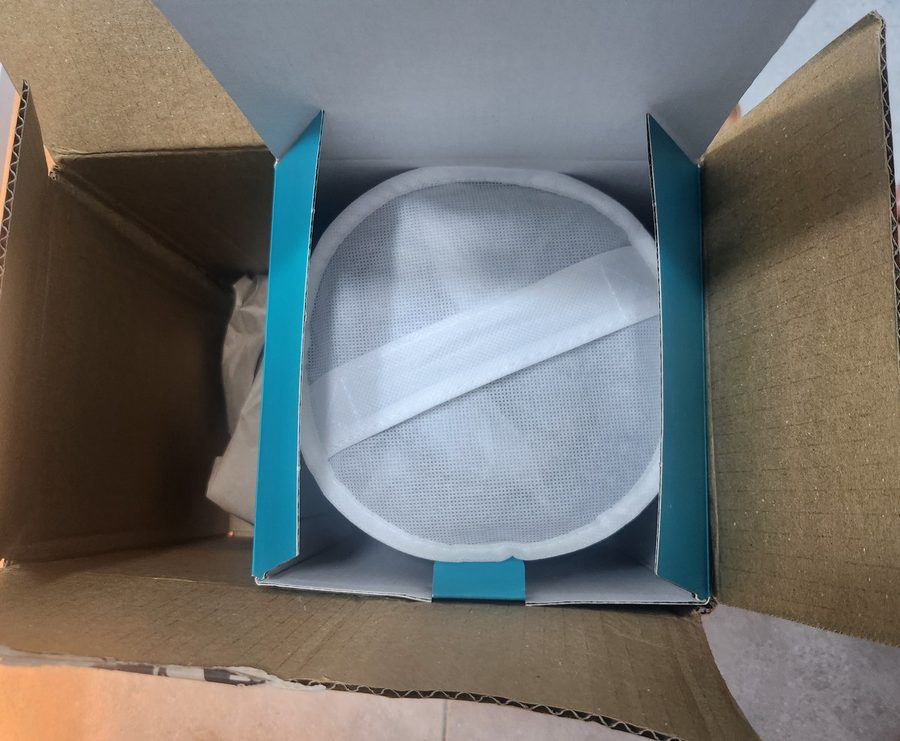
From actual use: it’s earning its keep. My son is visiting this month — fuller house, tighter schedule — and pulling that weight over me in the evening is the first moment my nervous system agrees the day is over. I won’t claim dramatically longer sleep; I don’t have that data. What I have is a settling ritual that works — sample size of one, not a clinical trial.
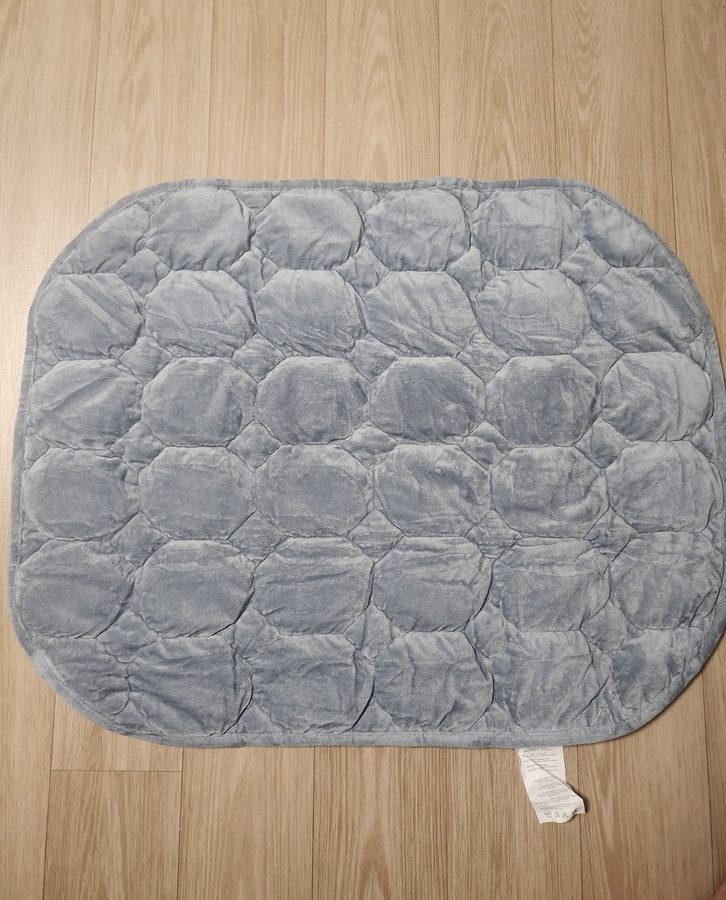
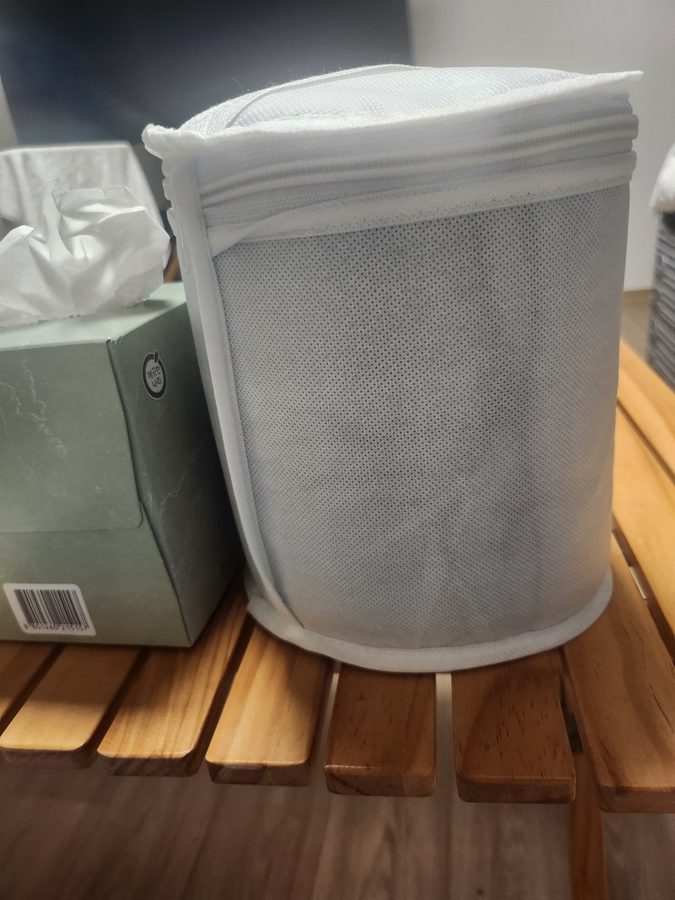
It zips back into its carry case, too — this one is coming along the next time I sleep somewhere that isn’t home.
Do sleep masks and blackout curtains really work?
Straight answer: darkness is so established that it’s written into shift-work training for nurses. The standard occupational advice: make the sleep environment so dark you can’t see your hand in front of your eyes — or wear an eye mask — and block window light with blackout shades or drapes. Occupational health guidance, not wellness-blog advice.
Night shift taught me: blackout curtains, a mask, a towel against the door gap. I engineered perfect daytime sleep for work, then went home and stayed up until 3 a.m. voluntarily. The tools were never the problem; deciding to use them was. Still is. My pick: the Manta (eye cups, survives side-sleeping); a basic cotton mask does 90% of the job.
Do sunrise alarm clocks help ADHD mornings?
Straight answer: the evidence for a gentler morning is real but modest — and only worth your money if waking is actually your problem, which it isn’t mine. Trials of simulated dawn — light that brightens gradually before the alarm — report better subjective sleep quality, though the benefit takes days of use to appear and fades once people stop. Sensible for a late clock; no ADHD RCT exists.
If mornings are your war zone, this is a reasonable buy: the Hatch Restore 3 bundles lamp, sounds, and reading light, and the Philips SmartSleep works without an app. But if you’re like me — asleep at 1 a.m., awake annoyingly fine — it’s a beautiful lamp solving a problem you don’t have. That money went to the blanket instead.
Is white noise good for ADHD sleep?
Straight answer: mixed for sleep; the better-documented ADHD benefit is daytime focus. Systematic reviews grade the evidence for continuous noise improving sleep as very low quality — which contradicts how widely it’s used. Lab studies, meanwhile, keep finding that white and pink noise modestly improve task performance in youth with ADHD — and slightly worsen it in everyone else. Weirdly validating.
For me it’s a blanket over the thought-noise, not a sleep drug. The Yogasleep Dohm and LectroFan are standard picks.
A nurse’s safety briefing (please don’t skip this)
Ward rules, home edition — the checklist I ran before buying mine — run it before yours:
- Never for babies or toddlers (under age 2–3) — chest compression and overheating risks.
- Breathing conditions need a doctor’s OK first: untreated or moderate-plus sleep apnea, COPD, significant asthma.
- You must be able to push it off yourself — limited mobility, skip it.
- CPAP users: position it clear of the mask seal and tubing.
- White noise: low volume, across the room — not under your pillow.
Why is there no melatonin in my kit?
Straight answer: I can’t verify what’s in the bottle, and dose-and-timing is a clinical job. A 2023 research letter in JAMA found 22 of 25 US melatonin gummies inaccurately labeled — actual melatonin ran from 74% to 347% of the label, and one product contained none at all. US emergency departments have also been seeing young children who got into melatonin unsupervised — gummies look like candy, and toddlers treat them accordingly.
I’m not anti-melatonin — timed correctly, it can shift a late body clock. But timing is the whole point — a job for an ADHD-informed clinician, not a product list. A supplement whose dose I can’t verify isn’t a product. It’s a guess wearing a label.
The kit is not the cure — and that’s fine
None of this fixed my ADHD or my bedtime — I’ll probably be up too late tonight, same as you. The kit does something smaller and better: it moves the decisions to the afternoon, when I’m still a functional adult, and lets the bedroom carry them out when I’m not. The lights dim without me. The mask is where my hand lands. The blanket waits on the sofa.
Tonight the amber lights clicked on at 9:30, and for once I took the hint. Not every night. Enough nights.
Your turn: what’s the one object in your bedroom that actually earned its place? Tell me in the comments; I’ll be reading at an hour that proves I still need this kit.
This is my personal experience, not medical advice — especially the safety points above. An ADHD-informed clinician can help. Full Medical Disclaimer.

Grace is a registered nurse with thirteen years of clinical experience — five in Australia and eight in Korea — who also lives with ADHD. She writes The ADHD Nurse: honest, first-person guides and diaries about working, parenting, and getting through the day with an ADHD brain. Everything here is her personal experience and general information, not medical advice.